
In the ever-evolving landscape of digital marketing, performance marketers face a constant challenge: delivering measurable results while maximizing return on investment (ROI). The funnel method — a systematic approach to guiding potential customers through a structured journey — has emerged as an indispensable tool for achieving these goals.
Here’s why the funnel method is vital for performance marketers and how it helps drive success.
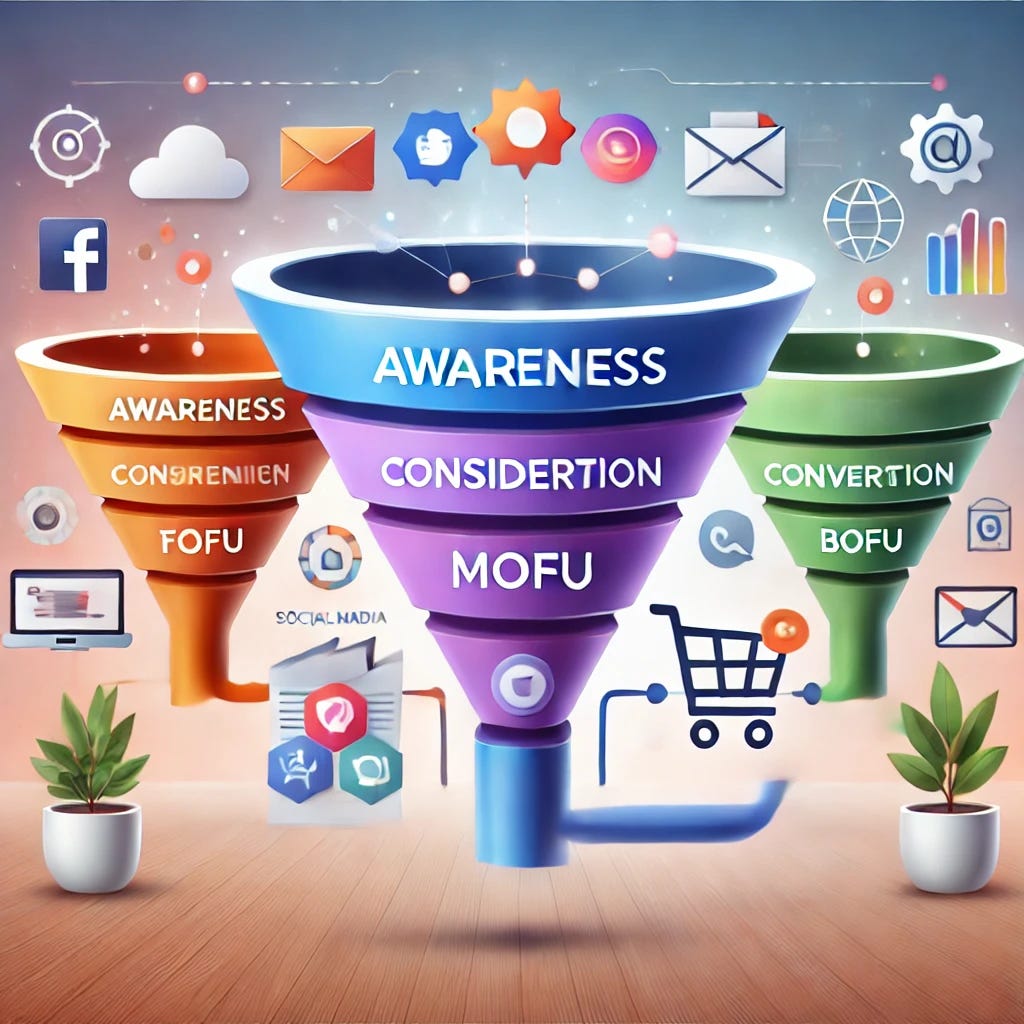
Understanding the Funnel Method
The funnel method represents the customer journey, from the first interaction with a brand to conversion. It’s typically divided into three stages:
- Top of the Funnel (TOFU): Awareness
At this stage, the goal is to attract a broad audience and make them aware of your product or service. Strategies include display ads, SEO, social media campaigns, and content marketing. - Middle of the Funnel (MOFU): Consideration
Here, potential customers start evaluating your offering. Marketers focus on providing value through educational content, testimonials, and case studies while nurturing leads with email campaigns and retargeting. - Bottom of the Funnel (BOFU): Conversion
At this critical stage, the focus shifts to closing the deal. Offering discounts, showcasing reviews, and using personalized messaging are common tactics to convert leads into paying customers.
Why the Funnel Method is Essential for Performance Marketing
1. Streamlines the Customer Journey
The funnel method helps marketers create a clear roadmap for potential customers. By understanding each stage, performance marketers can craft tailored strategies to meet the audience’s needs, ensuring smooth transitions from awareness to conversion.
2. Optimizes ROI
Performance marketing relies on data-driven decisions to allocate budgets efficiently. The funnel method allows marketers to pinpoint where to invest more resources, such as boosting top-of-the-funnel campaigns to increase brand reach or doubling down on bottom-of-the-funnel tactics to close deals.
3. Enables Personalization
A one-size-fits-all approach no longer works in marketing. The funnel method helps segment audiences based on their journey stage, enabling personalized content and messaging. For example:
- TOFU: Serve blog posts or explainer videos.
- MOFU: Offer free trials or in-depth guides.
- BOFU: Provide limited-time discounts or product demos.
4. Improves Measurement and Insights
Each stage of the funnel can be tracked using metrics like click-through rates (CTR), cost per lead (CPL), and customer acquisition cost (CAC). These insights help performance marketers identify bottlenecks, refine strategies, and optimize campaign performance.
5. Boosts Retention and Lifetime Value (LTV)
A well-executed funnel doesn’t stop at conversion. By incorporating a post-purchase phase, marketers can nurture existing customers through upselling, cross-selling, and loyalty programs, driving long-term engagement and increasing LTV.
Examples of the Funnel in Action
Case Study 1: E-commerce
- TOFU: Targeted social media ads and influencer partnerships to raise brand awareness.
- MOFU: Retargeting ads with abandoned cart reminders and product comparisons.
- BOFU: Email campaigns offering discounts and free shipping for first-time buyers.
Case Study 2: SaaS
- TOFU: Educational blog posts and free webinars to attract traffic.
- MOFU: Offering a free trial or demo to interested leads.
- BOFU: Personalized sales outreach with tailored pricing packages.
Best Practices for Using the Funnel Method
- Leverage Data Analytics
Use tools like Google Analytics, Facebook Ads Manager, and CRM software to monitor the performance at each funnel stage. - Experiment and Optimize
A/B test campaigns, ad creatives, and landing pages to identify the best-performing strategies for each funnel stage. - Integrate Automation
Use marketing automation tools to streamline lead nurturing and retargeting efforts across the funnel. - Focus on Content Strategy
Content should align with each funnel stage, guiding users closer to conversion. - Never Ignore Post-Purchase Engagement
Invest in email follow-ups, referral incentives, and loyalty programs to turn buyers into repeat customers.
Conclusion
For performance marketers, the funnel method is more than just a strategy — it’s a blueprint for success. By understanding and implementing the funnel method, marketers can effectively guide potential customers, optimize budgets, and achieve higher ROI. In a competitive digital landscape, adopting a funnel-based approach ensures campaigns are targeted, data-driven, and conversion-focused, paving the way for sustained growth.
The funnel isn’t just a tool; it’s the backbone of performance marketing. Are you ready to streamline your campaigns and unlock new heights in performance? Start building your funnel today!



0 Comments